
Whoa! I opened my browser this morning and thought: wallets shouldn’t feel this slick. My instinct said Phantom got a lot of things right right out of the gate. Seriously? Yes — the onboarding flow is clean, the UI is fast, and connecting to Solana apps is painless for most users. Initially I thought it was just good design, but then realized it’s a mix of engineering choices and trade-offs that affect security and convenience in equal measure.
Okay, so check this out—if you’re hunting for an NFT wallet that sits in your browser, you want three things: speed, clarity, and predictable security. Hmm… speed matters more than you expect. Transactions should confirm in a blink on Solana, and Phantom mirrors that expectation with a lightweight extension. I’ll be honest: some of the copy in the app is too friendly for my taste, but that helps new users feel welcome (and that’s very very important when onboarding collectors).
Here’s the thing. On one hand Phantom simplifies key management by providing a clear seed backup flow and in-extension prompts; on the other hand, any browser extension is inherently exposed to a different risk model than a hardware wallet. My gut feeling said “trust but verify” and I still recommend combining Phantom with a hardware key for serious holdings. Actually, wait—let me rephrase that: for everyday NFTs and small trades Phantom is excellent, but for large treasury-style holdings use an external signer.
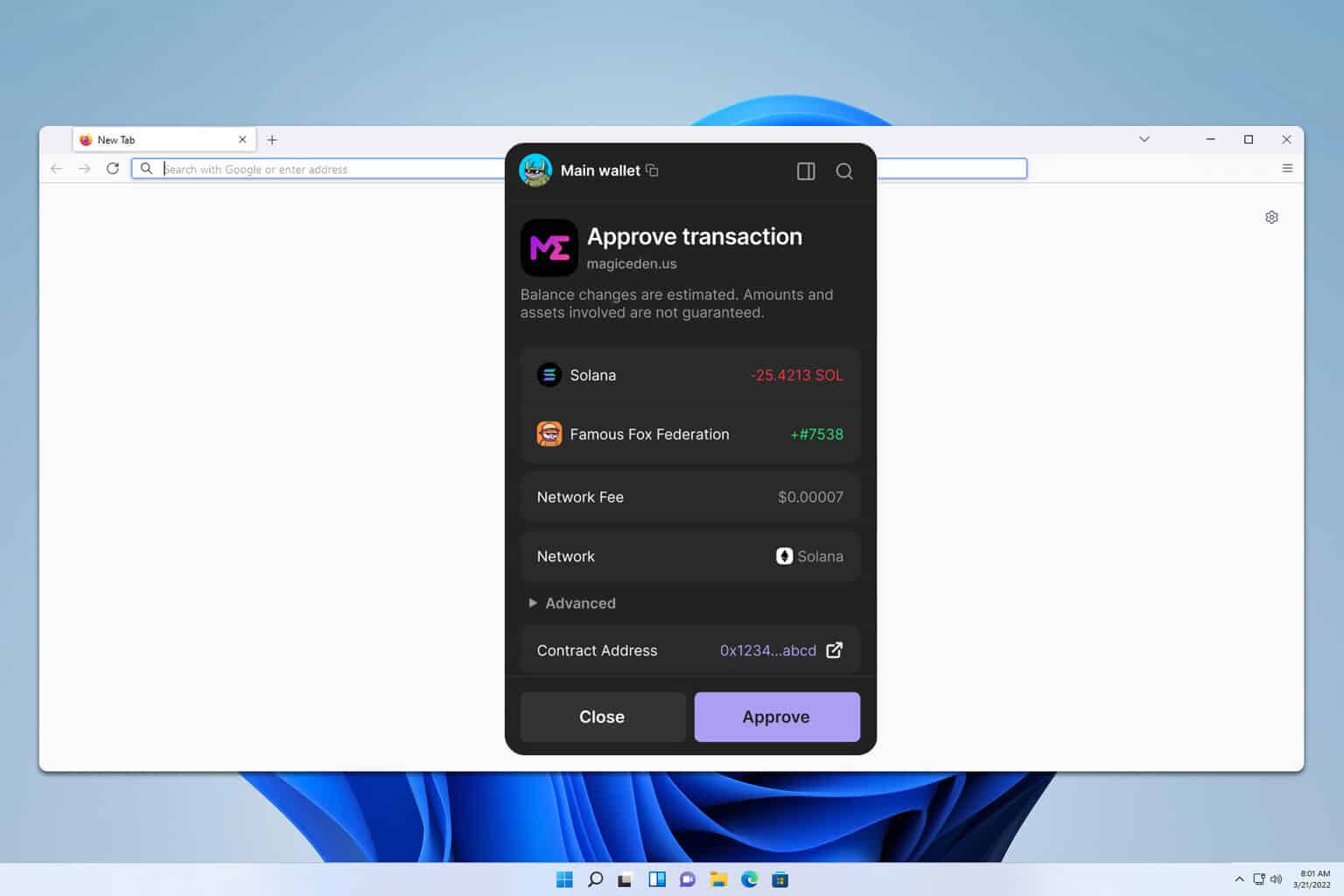
Most of the time connecting Phantom to a marketplace is painless. Really? Yep. The connection pop-up is concise, it lists accounts, and you can approve or deny specific requests quickly. But something felt off about sometimes-granular permissioning—there’s a tradeoff between clarity and usability, and some pop-ups bury details if you’re not careful. (oh, and by the way…) the extension prompts can be confusing when multiple wallet accounts are present.
How Phantom Handles NFTs — Practical Notes
Phantom stores token metadata and shows NFT art cleanly, so collectors see everything at a glance. Shortcomings exist though; metadata rendering depends on remote hosts, so a bad IPFS link will break the display. My first impression was “wow, seamless,” but then an edge case popped up where a legacy token used an unexpected metadata standard and Phantom didn’t surface the issue. On a deeper look that taught me to double-check token sources before trusting a display.
For creators and traders Phantom is convenient: you can list, sign, and transfer without leaving the extension. This reduces friction, which is great for active collectors who trade daily. I’m biased toward clean UX, so this part really appeals to me. Still, I want better tooling for provenance—more visible links to on-chain ownership history would help when you’re making a buying decision.
Installing the Phantom Browser Extension
If you want to try it, there’s a straightforward install path on the official extension page. I recommend grabbing the extension from the trusted source linked below to avoid shady clones. Many users just search the store and click the first result, but double-checking publisher details is a small habit that pays off. You can get the extension here: phantom.
Really small tip: after installing, create a watch-only account first if you’re nervous. That lets you test connection flows to dapps without exposing keys. My advice comes from running into one or two hasty approvals years ago—somethin’ that taught me to slow down. Also enable auto-lock intervals and review connected sites periodically.
Security Trade-offs and Recommendations
Extensions are vulnerable to browser-level attacks and malicious pages, which is why I keep a cold-wallet for high-value NFTs. On one hand the extension signs quickly and keeps sessions short. On the other hand a compromised tab or malicious site could trick an inattentive user into approving an unwanted transaction. Initially I thought permissions alone would be enough, but then I noticed a subtle prompt wording that made accidental approvals plausible.
Here are practical steps I use and recommend: use a hardware wallet for large holdings, pin the extension, periodically audit connected sites, and export your seed to a secure offline stash. Also keep the extension updated; Phantom releases security fixes and UX improvements regularly. I’m not 100% sure about every corner case, but these steps mitigate the common attack vectors I’ve seen in practice.
UX Quirks That Bug Me (and Why They Matter)
What’s petty but real: the notification ordering sometimes pushes urgent prompts down the stack. It feels like a small nuisance until you miss a time-limited drop. This part bugs me because the Solana NFT scene runs fast, and microseconds can mean a minted rarity or not. On the flip side, the extension does a great job showing fees and confirmation details, which is often absent in other wallets.
Another quirk: account naming is manual, and if you juggle multiple collections it’s easy to lose context. I wish Phantom auto-suggested names based on recent activity. That would reduce mistakes when sending or approving transactions. I’m not asking for magic, just better affordances—little changes that reduce human error.
FAQ
Is Phantom safe for NFTs?
For everyday NFT collecting and standard trades, Phantom is safe when used with basic precautions: verify install source, lock your browser, and review approvals. For high-value collections, pair it with a hardware signer. My experience suggests it strikes a solid balance between convenience and security.
Can I store all my Solana tokens in Phantom?
Yes, Phantom manages SOL and SPL tokens including NFTs, but keep backups of your seed phrase offline. If you have large holdings split between hot and cold storage, you’ll sleep better—trust me, I tested this the hard way.
Where should I download the extension?
Use the official extension listing or the linked page above to avoid clones. Phishing extensions do exist in some browser stores, so verify the publisher and read reviews. Again, minor diligence goes a long way.